 geo.be Metadata Catalog
Science and technology
Type of resources
Available actions
Topics
INSPIRE themes
federalThemes
Keywords
Contact for the resource
Provided by
Years
Formats
Representation types
Update frequencies
status
Service types
Scale
Resolution
-

This web service provides a download per object of the dataset Cadastral parcels - INSPIRE. . This webservice complies with the INSPIRE specifications.
-
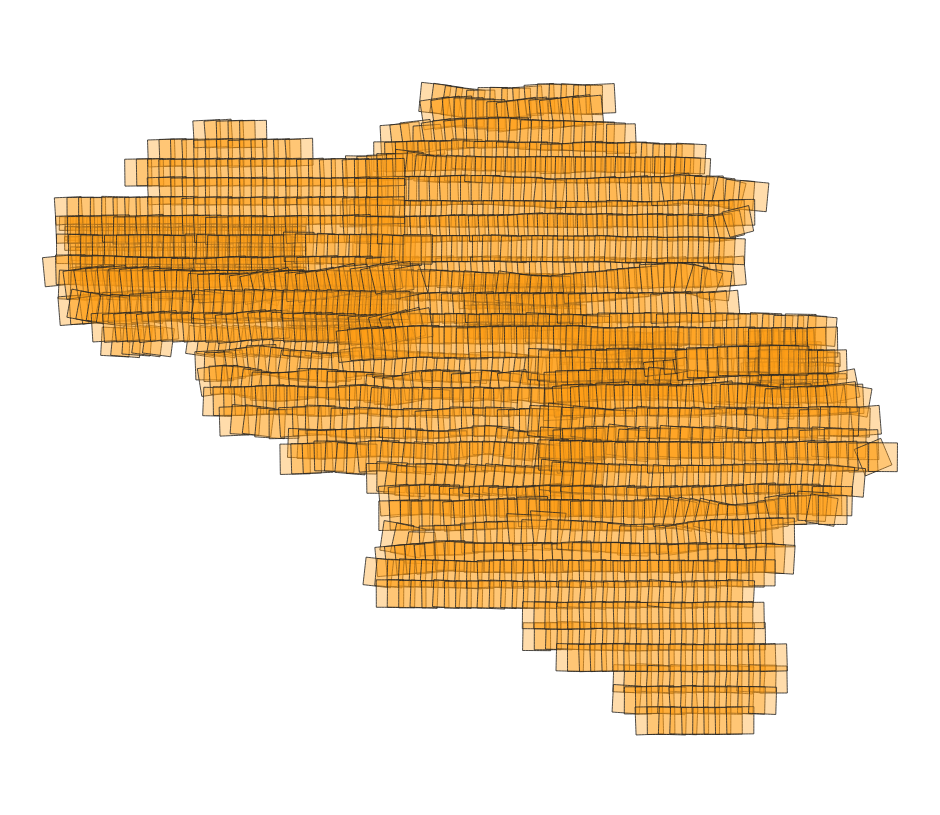
This service allows consultation of the spatial metadata of the complete collection of aerial photos of the National Geographic Institute (NGI), from 1946 to today. The data is accessible via a Web Feature Service (WFS). The collection comprises more than 100,000 aerial photos. The images are predominantly panchromatic (black and white). From the late 1970s onwards, colour images were also taken, and from the end of 2004 onwards all images were taken in colour. The analogue aerial photos in the collection were scanned in high resolution. More recent aerial photos were captured directly in digital format. This specific service includes three layers: the centroids (centre points) of the individual aerial photos, the footprints (the outlines of the area on the ground covered by each photo), and the flight paths of the aircraft used during image acquisition. For each aerial photo, all known metadata is included in the attribute table, such as the acquisition date, the flight and the strip, the dimensions, the scale, the ground resolution, the radiometry (black and white or colour), the coordinates of the centre point, and the camera, lens and film used. This data makes it possible to find out which aerial photos are available for a given location and period, and what the characteristics of each photo are. The aerial photos can be ordered in high resolution via https://shop.ngi.be/nl/luchtfotos/.
-
This web service provides a display of the dataset Cadastral parcels - INSPIRE. This webservice complies with the INSPIRE specifications and is available in several formats. It is recommended to use the PNG format.
-
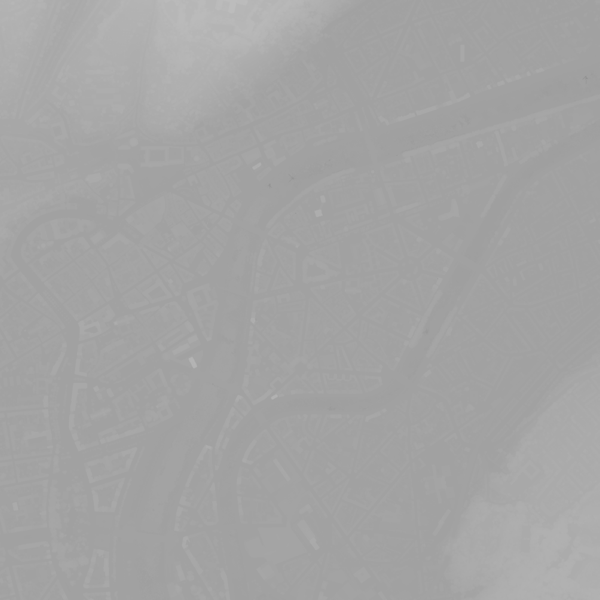
This dataset shows a digital surface model. It is a homogeneous and regular points grid which indicates the height above the surface of the earth, either the soil or any other permanent and visible element in the landscape (vegetation, construction,…). These data represent the situation of the landscape resulting from the July 2021 floods in het areas of the Vesdre, of part of the Meuse downstream from Liège and of the Demer.
-
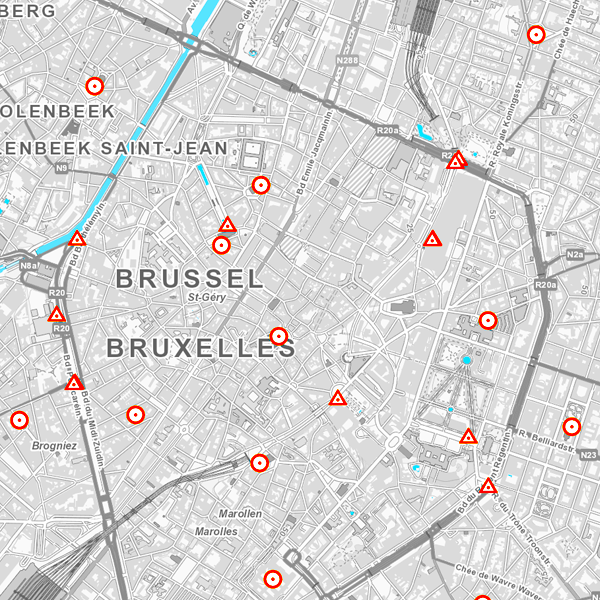
Network of marks whose planimetric coordinates are known with precision according to the reference systems which are used in Belgium.
-
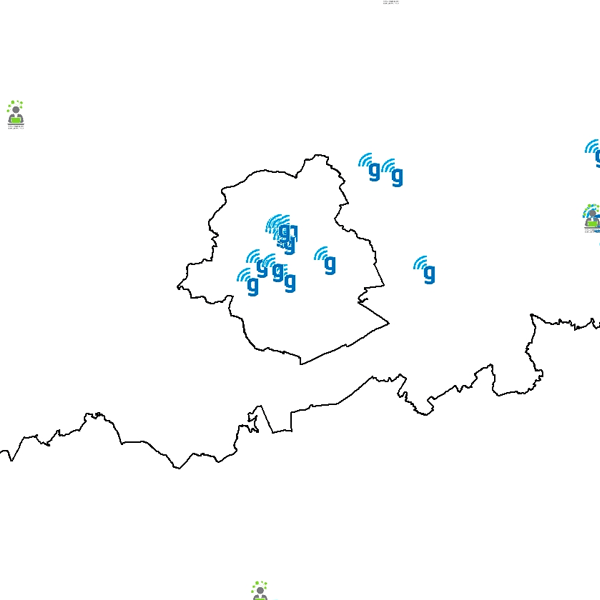
Govroam is a " wifi roaming " solution. This service offers to the users a simple and secure access to the wireless network of their institution, but also to networks of other participating institutions. A user from an organization that participates in govroam will be able to connect to any wireless access point broadcasting govroam. The data provided here makes it possible to locate these access points.
-
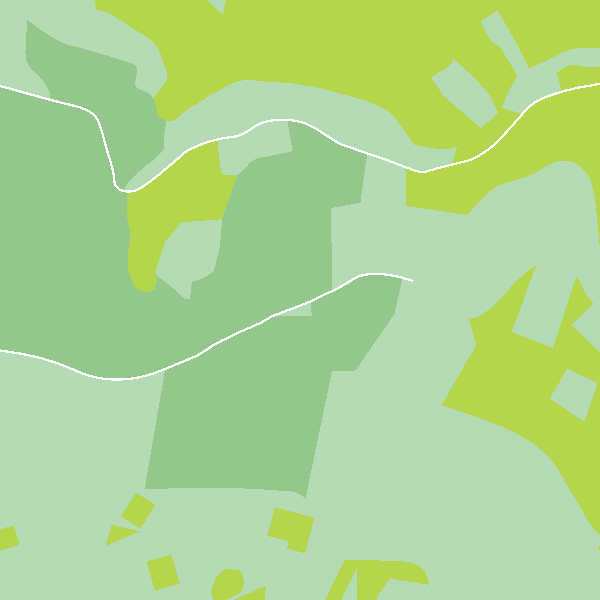
‘Top10Vector – Land cover and Vegetation’ is the vector dataset of the land use categories of undeveloped land areas in Belgium. This dataset comprises 3 feature types, namely isolated [LC_isolatedvegetation] and linear [LC_linearvegetation] vegetation and land cover zones [LC_landcoverzone]. This dataset can be downloaded via the links in ‘Access’ at the bottom of this page.
-
Govroam is a " wifi roaming " solution. This service offers to the users a simple and secure access to the wireless network of their institution, but also to networks of other participating institutions. A user from an organization that participates in govroam will be able to connect to any wireless access point broadcasting govroam. The data provided here makes it possible to locate these access points.
-
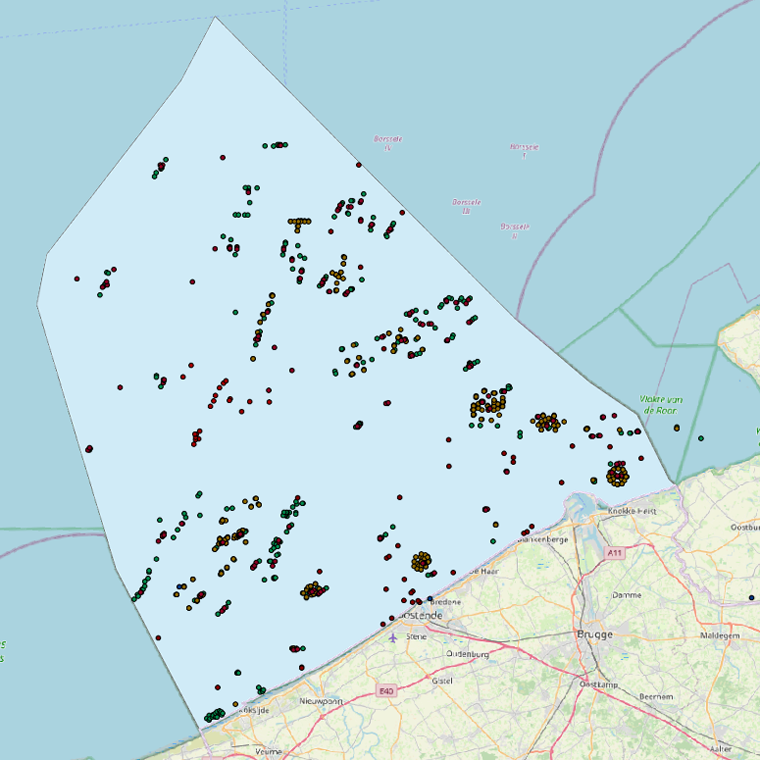
This web service allows viewing the datasets under the Marine Strategy Framework Directive (MSFD).
-
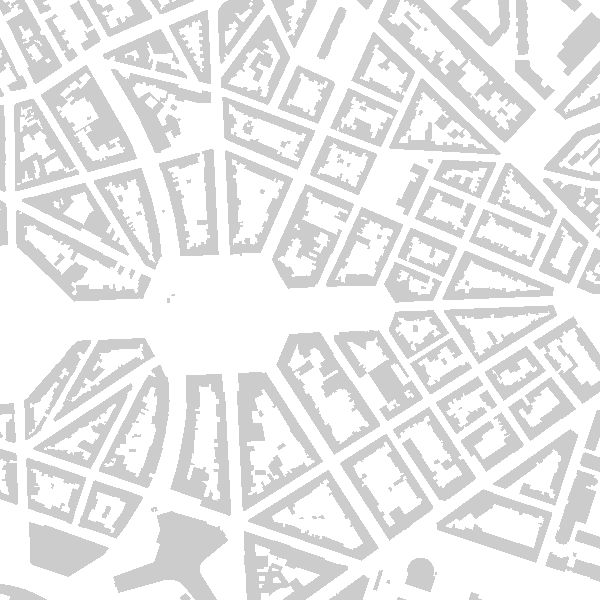
This web service allows viewing datasets from Buildings