 geo.be Metadata Catalog
Federal viewer
Type of resources
Available actions
Topics
INSPIRE themes
federalThemes
Keywords
Contact for the resource
Provided by
Years
Formats
Representation types
Update frequencies
status
Service types
Scale
Resolution
-

This web service allows viewing the dataset BeStAddress.
-

This AtomFeed download service provides access to federal datasets that are not reported under the INSPIRE Directive. The datasets can be accessible for free or under conditions.
-

This web service provides a display of the Administrative Units - INSPIRE datase This webservice complies with the INSPIRE specifications.
-

This web service provides a display of the dataset Cadastral parcels - INSPIRE. This webservice complies with the INSPIRE specifications and is available in several formats. It is recommended to use the PNG format.
-
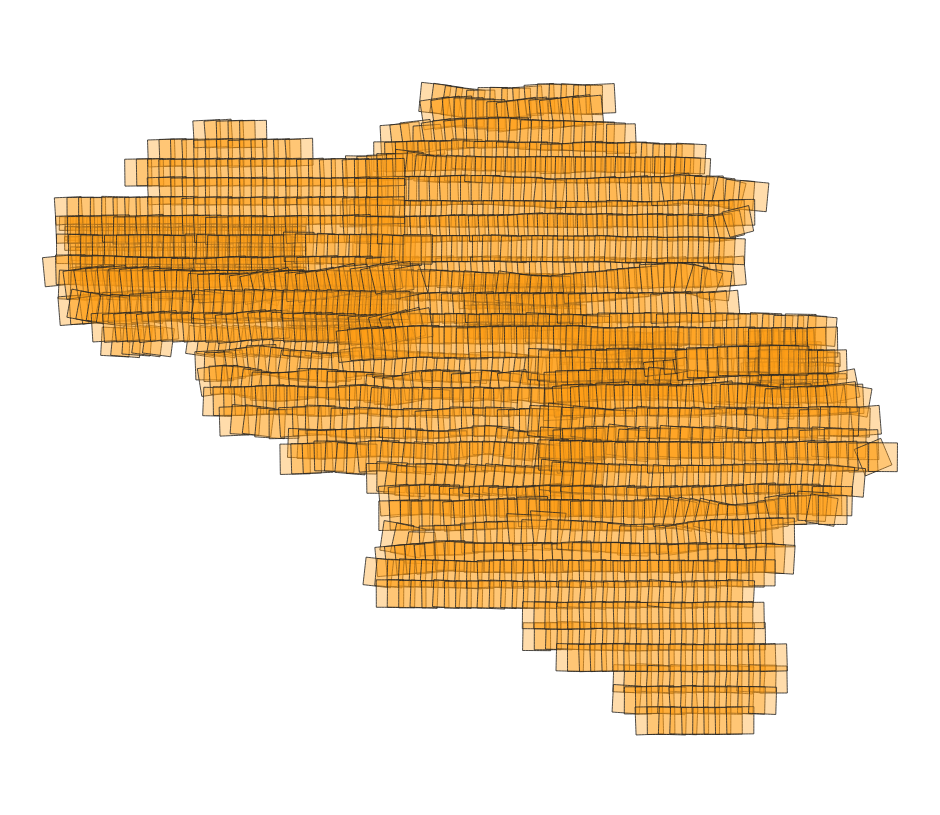
This service allows consultation of the spatial metadata of the complete collection of aerial photos of the National Geographic Institute (NGI), from 1946 to today. The data is accessible via a Web Feature Service (WFS). The collection comprises more than 100,000 aerial photos. The images are predominantly panchromatic (black and white). From the late 1970s onwards, colour images were also taken, and from the end of 2004 onwards all images were taken in colour. The analogue aerial photos in the collection were scanned in high resolution. More recent aerial photos were captured directly in digital format. This specific service includes three layers: the centroids (centre points) of the individual aerial photos, the footprints (the outlines of the area on the ground covered by each photo), and the flight paths of the aircraft used during image acquisition. For each aerial photo, all known metadata is included in the attribute table, such as the acquisition date, the flight and the strip, the dimensions, the scale, the ground resolution, the radiometry (black and white or colour), the coordinates of the centre point, and the camera, lens and film used. This data makes it possible to find out which aerial photos are available for a given location and period, and what the characteristics of each photo are. The aerial photos can be ordered in high resolution via https://shop.ngi.be/nl/luchtfotos/.
-
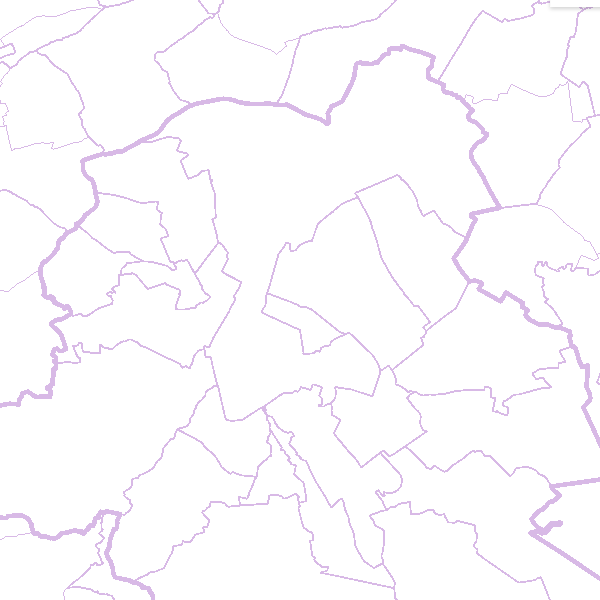
This webservice allows the Territorial Divisions product, which represents all recognised Belgian geographical units, to be visualised. The AdminVector dataset includes the statistical, geographical and administrative units of Belgium. The dataset of the judicial cantons and arrondissements displays the geographical units used for the organisation of the courts. The dataset of the electoral cantons consists of geographical units used for the organisation of elections. The dataset of the postal districts includes the boundaries of the Belgian postal cantons. The link to the webservice is available under 'Access' at the bottom of this page.
-

This view service allows visualization of the IGN digital terrain model at a resolution of 5m (DTM 5m) as well as the shaded version (Hillshade DTM 5m) of it.
-

INSPIRE compliant view service for geographic information of marine datasets made available by the Royal Belgian Institute for Natural Sciences (RBINS) in the IDOD (Integrated and Dynamical Oceanographic Database) database.
-
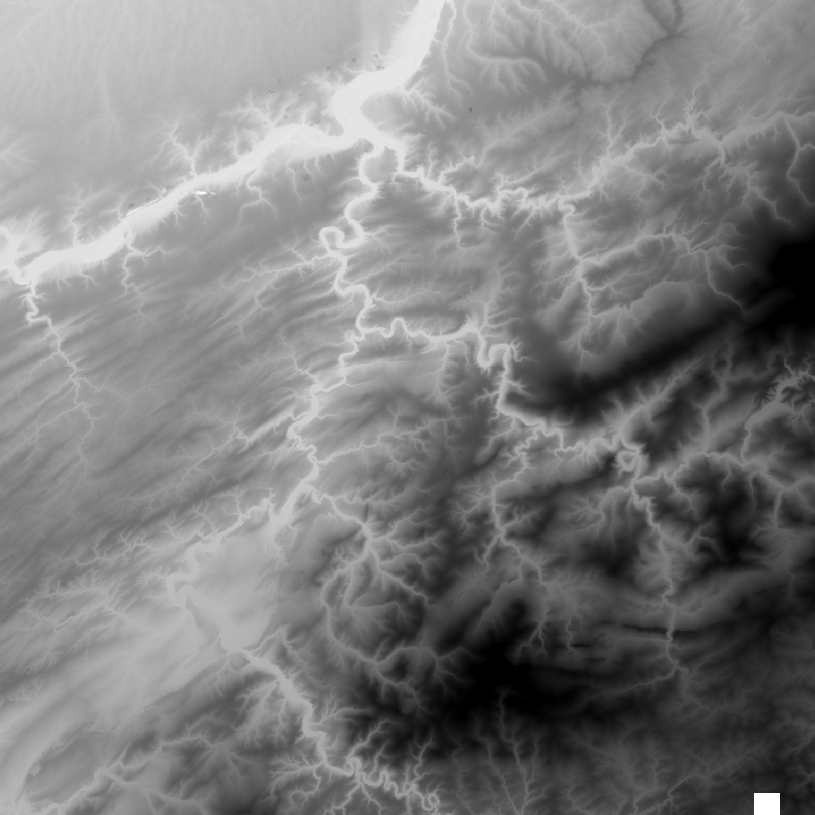
This web service allows the visualization of altimetry data. More specifically, it allows to visualize the National Geographic Institute's digital terrain model and the contours associated with it. This service is compliant with the INSPIRE specifications.
-
INSPIRE compliant view service for geographic information of the datasets of the Marine Strategic Framework Directive made available by the Royal Belgian Institute for Natural Sciences (RBINS).